Home > How to Choose a Reliable DIN Rail Terminal Block OEM Manufacturer? 10 Key Factors to Consider

In industrial electrical systems, DIN rail terminal blocks play a critical role in ensuring safe, stable, and efficient wire connections. From control panels to automation systems and power distribution units, choosing the right DIN rail terminal block OEM manufacturer directly impacts product quality, system reliability, and long-term operational costs.

However, many buyers face common challenges when sourcing a terminal block supplier:

  • Inconsistent product quality
  • Lack of international certifications
  • Limited OEM/ODM customization
  • Unstable delivery times

So, how can you identify a truly reliable partner?

In this guide, we’ll walk you through 10 key factors to consider when choosing a DIN rail terminal block manufacturer, helping you make smarter sourcing decisions and avoid costly mistakes.
CMK420 4 6实际应用

What Is a DIN Rail Terminal Block and Why It Matters?

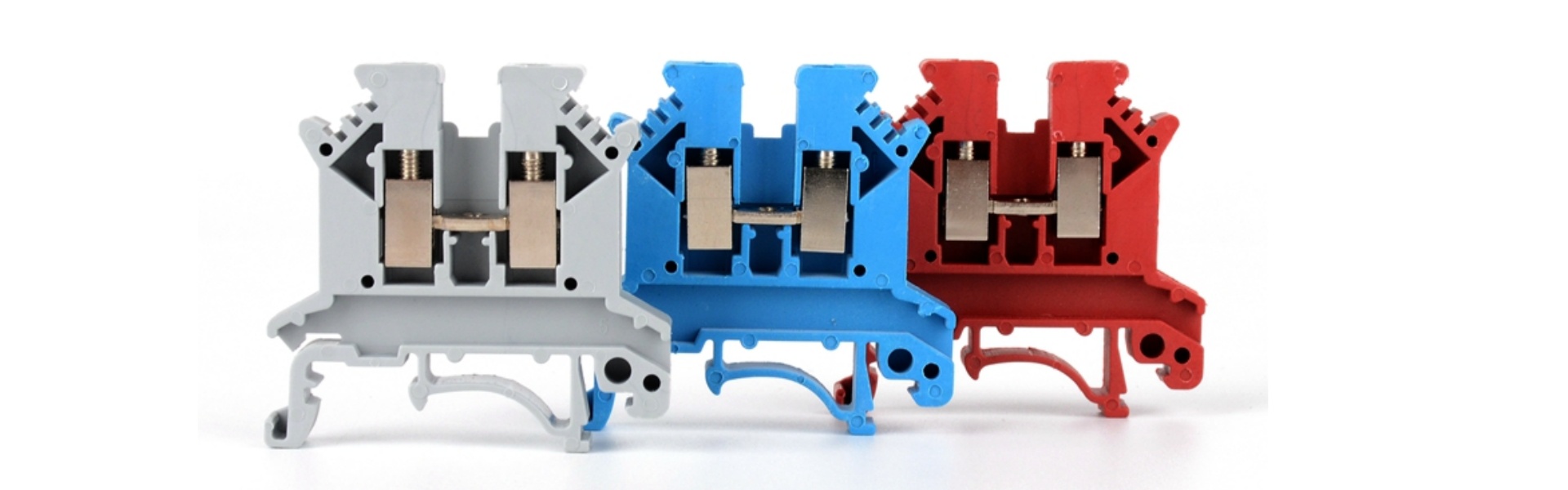
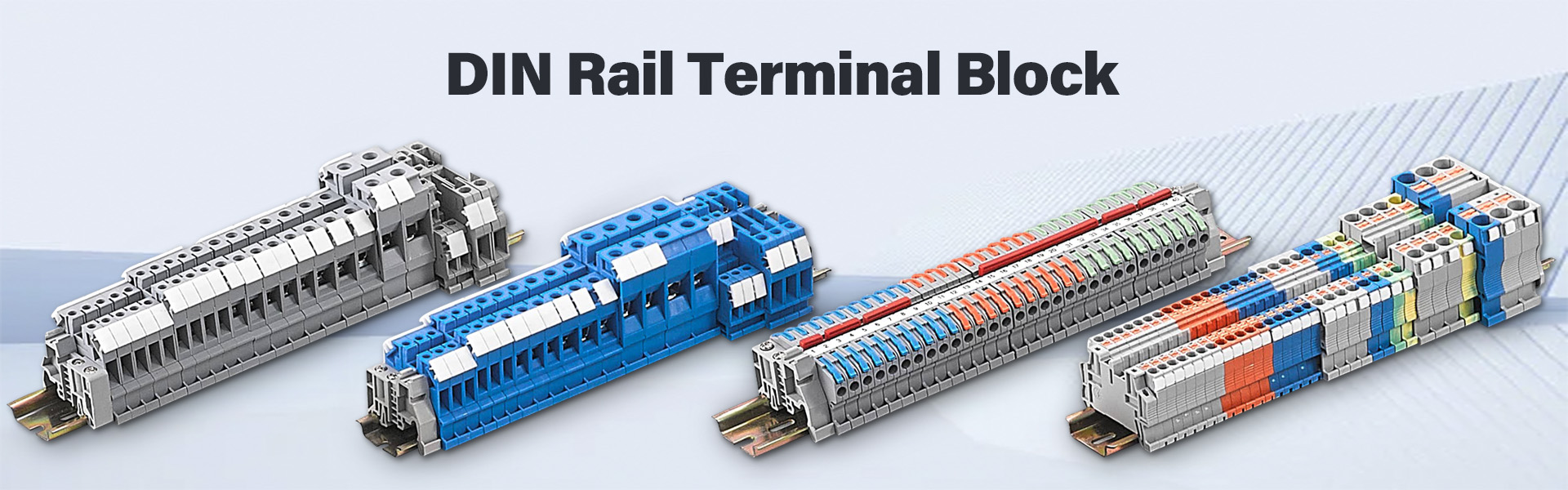
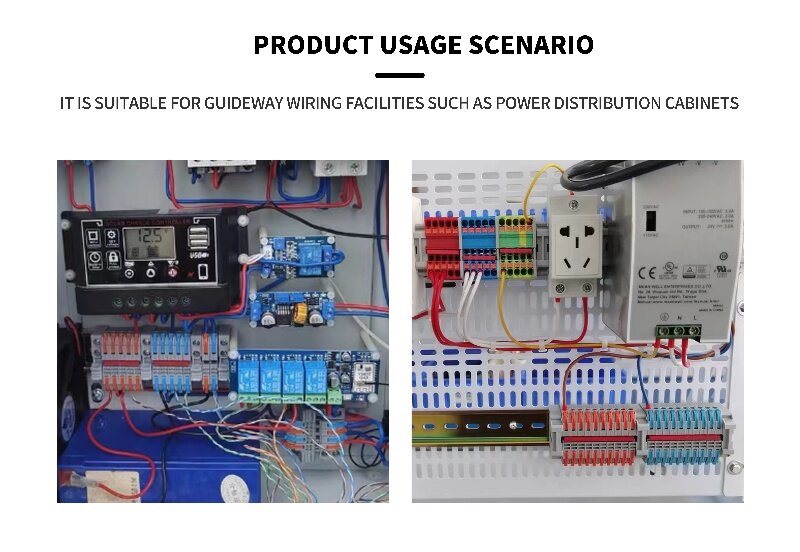
A DIN rail terminal block is an electrical connector used to secure and organize wiring in industrial applications. Mounted on standardized DIN rails, these components are widely used in:

  • Industrial control panels
  • Automation equipment
  • Power distribution systems
  • Building electrical installations

Common Types of Terminal Blocks

Understanding product types is essential when evaluating a manufacturer:

  • Screw Terminal Blocks – Traditional, reliable, widely used
  • Spring Clamp Terminal Blocks – Vibration-resistant, maintenance-free
  • Push-in Terminal Blocks – Fast wiring, tool-free installation

A professional terminal block manufacturer should offer a full range of these products to meet diverse application needs.

10 Key Factors to Evaluate an OEM Terminal Block Manufacturer

1. Product Quality & Material Standards

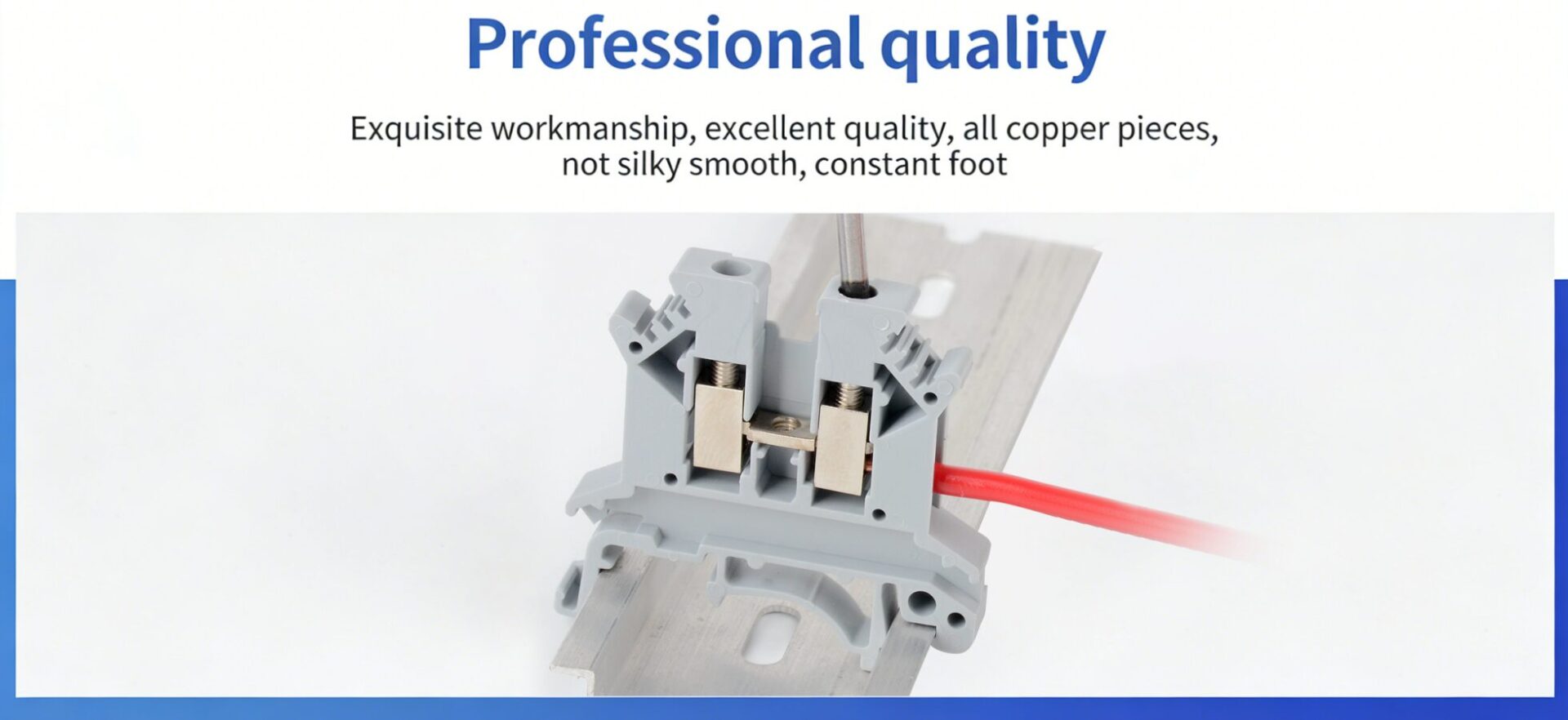
High-quality terminal blocks are made from:

  • High-conductivity copper (for optimal electrical performance)
  • Flame-retardant PA66 housing (UL94 V-0 rated)

Check for:

  • Temperature resistance
  • Corrosion resistance
  • Long-term durability

Poor material selection can lead to overheating, failure, or safety risks.

high quality copper terminal block material 1

2. Certifications & Compliance

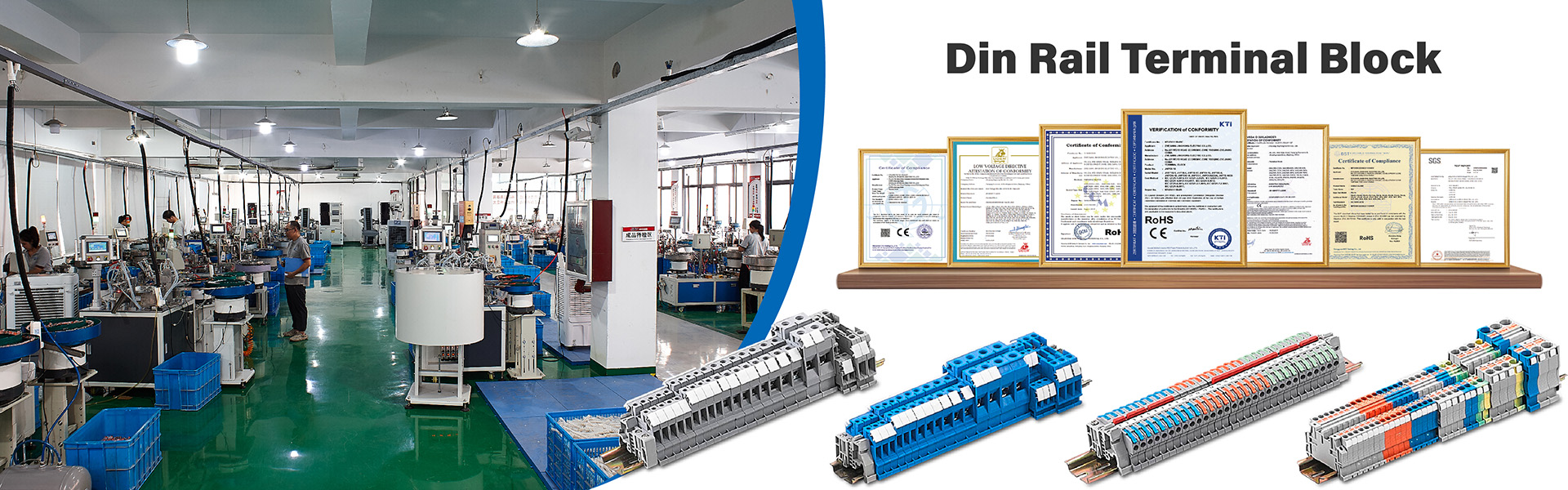
A reliable DIN rail terminal block supplier must comply with international standards, including:

  • UL (North America)
  • CE (Europe)
  • IEC standards
  • RoHS compliance

These certifications ensure the product meets safety and regulatory requirements in global markets.

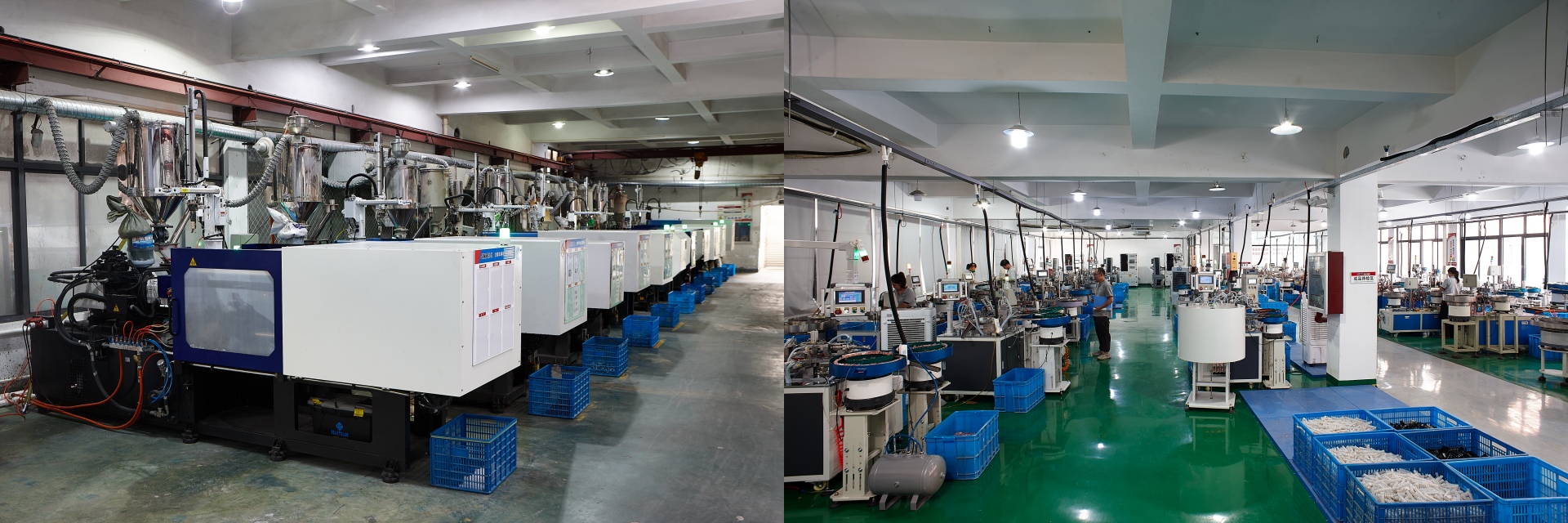
3. Manufacturing Capability & Automation Level

Advanced manufacturing capability is a strong indicator of reliability.

Look for manufacturers with:

  • Automated assembly lines
  • In-house injection molding
  • Precision metal stamping

This ensures:

  • Consistent product quality
  • High production efficiency
  • Scalability for large orders
automated terminal block manufacturing factory

4. OEM / ODM Customization Capability

A professional OEM terminal block manufacturer should support:

  • Logo printing
  • Custom colors
  • Special voltage/current designs
  • Tailored packaging

Strong customization capability helps differentiate your brand in competitive markets.

OEM customized DIN rail terminal block

5. Product Range & Compatibility

A reliable supplier should offer a complete product portfolio, including:

  • Feed-through terminal blocks
  • Ground (PE) terminal blocks
  • Fuse terminal blocks
  • Disconnect terminal blocks

This allows you to source all components from a single terminal block supplier, improving efficiency and compatibility.

6. R&D and Innovation Strength

Innovation matters in a competitive electrical components market.

Evaluate whether the manufacturer:

  • Invests in R&D
  • Launches new products regularly
  • Supports rapid prototyping

An innovative industrial terminal block manufacturer can help you stay ahead of market trends.

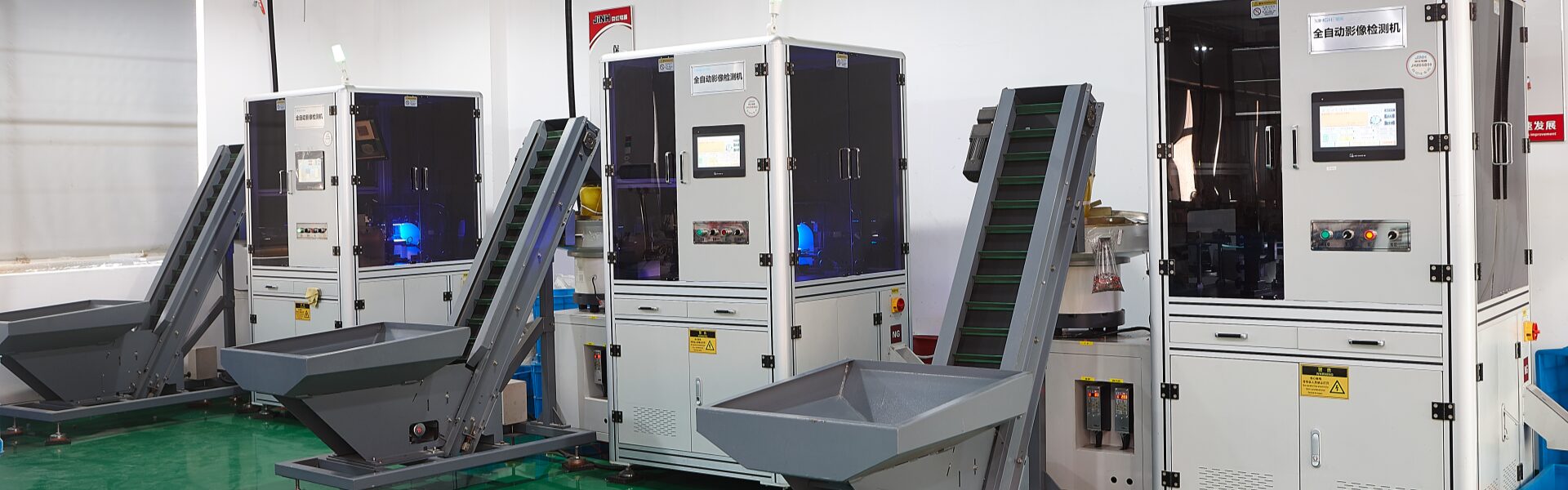
7. Quality Control System

Strict quality control is non-negotiable.

Look for a factory with:

  • IQC (Incoming Quality Control)
  • IPQC (In-process Quality Control)
  • OQC (Outgoing Quality Control)

Testing capabilities should include:

  • Electrical performance testing
  • Mechanical durability testing
  • Insulation and voltage resistance tests
terminal block quality testing process

8. Lead Time & Supply Chain Stability

Delivery reliability is crucial for project timelines.

Key factors:

  • Stable raw material supply
  • Efficient production scheduling
  • Inventory management

A dependable terminal block manufacturer should offer:

  • Short lead times
  • On-time delivery
  • Emergency order support

9. Pricing & Cost-effectiveness

Price is important—but it should never come at the expense of quality.

Be cautious of:

  • Extremely low prices (often indicate poor materials)
  • Hidden costs

Instead, focus on:

  • Long-term cost efficiency
  • Product lifespan
  • Reduced maintenance costs

10. Technical Support & After-sales Service

Strong technical support adds significant value.

A reliable supplier should provide:

  • Product selection guidance
  • Wiring solutions
  • Engineering support
  • Fast response times

This is especially important for complex industrial applications.

DIN rail terminal block

Common Mistakes When Choosing a Terminal Block Supplier

Avoid these common pitfalls:

❌ Choosing based on price alone
❌ Ignoring certifications
❌ Skipping product testing
❌ Overlooking customization capability
❌ Not evaluating factory strength

These mistakes can lead to project delays, safety risks, and increased costs.

This is custom heading element

As an experienced DIN rail terminal block manufacturer, we provide:

  • ✅ 30+ years of industry experience
  • ✅ Full range of terminal block solutions
  • ✅ Strong OEM/ODM customization capability
  • ✅ Certified products (UL, CE, RoHS)
  • ✅ Fast delivery and stable supply chain
  • ✅ Professional technical support

We are committed to delivering reliable electrical connection solutions for global customers in industrial automation, energy, and infrastructure sectors.

terminal block manufacturer

What is a DIN rail terminal block used for?

DIN rail terminal blocks are used to connect and organize electrical wires in control panels, automation systems, and power distribution units.

What certifications should terminal blocks have?

Common certifications include UL, CE, IEC, and RoHS, ensuring safety and compliance in different markets.

How do I verify a terminal block manufacturer?

You can verify a supplier by:

  • Checking certifications
  • Requesting samples
  • Conducting factory audits
  • Reviewing customer feedback

What is the difference between screw and spring terminal blocks?

  • Screw terminal blocks: Screw connection, widely used, require maintenance
  • Spring terminal blocks: Vibration-resistant, maintenance-free, faster installation

Conclusion

Choosing a reliable DIN rail terminal block  OEM manufacturer is essential for ensuring product quality, safety, and long-term performance.

By evaluating the 10 key factors outlined in this guide—ranging from product quality and certifications to customization and technical support—you can confidently select the right supplier for your business.

If you’re looking for a trusted partner, feel free to reach out to us for expert support and high-quality terminal block solutions.

contact person: Ms Snow
Email: [email protected]
online-store

Online Store