
Understanding Wire splicing connectors
A wire splice is a permanent or semi-permanent connection between two or more electrical wires.
A wire splice is a permanent or semi-permanent connection between two or more electrical wires.
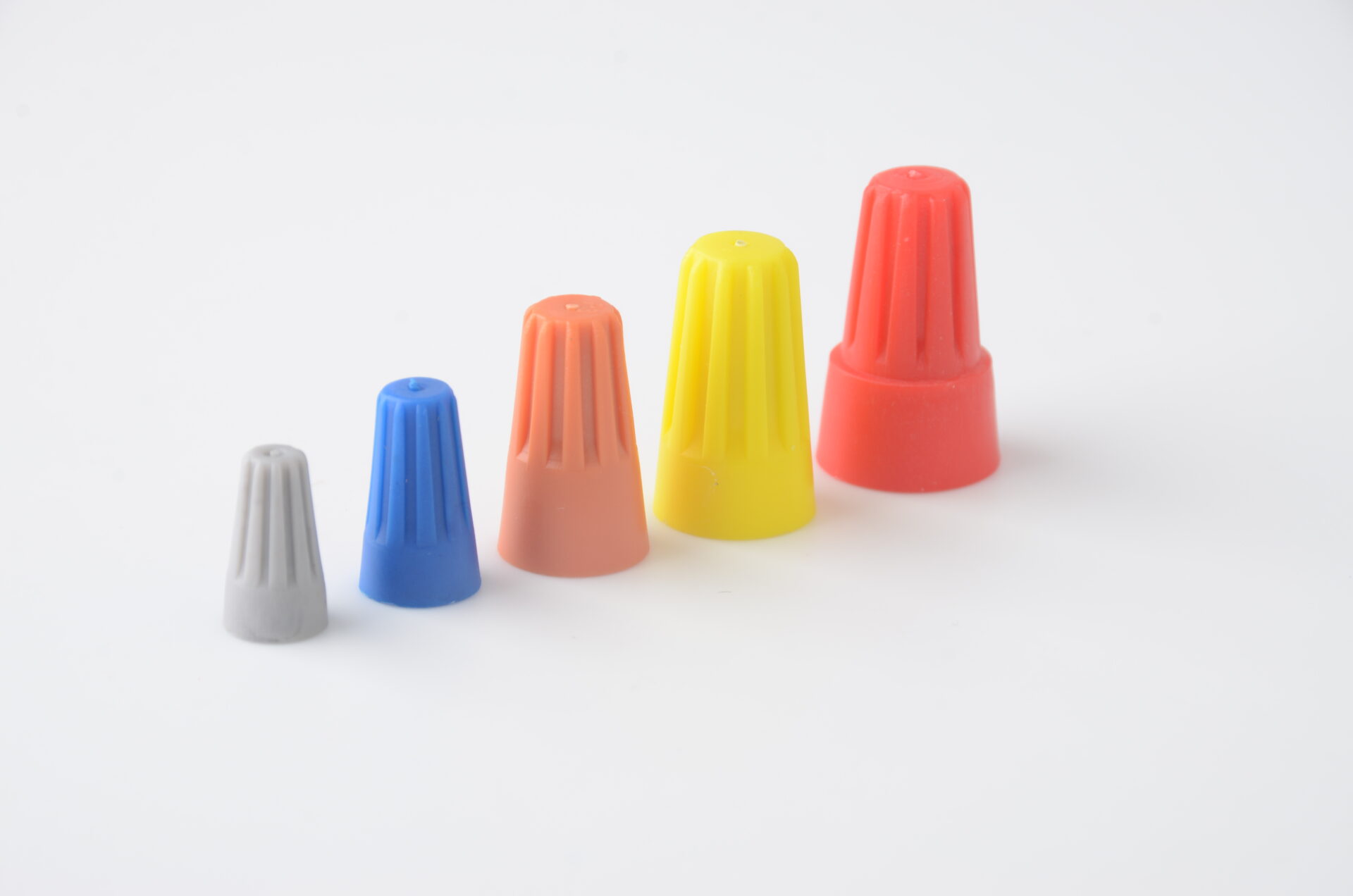
This Wire splicing connectors are the most recognizable type for household and commercial electrical work.
How They Work: A threaded plastic shell is twisted onto the ends of stripped wires, twisting them together and enclosing them in an insulated cap.
Best For: Connecting solid core wires in electrical junction boxes (outlets, switches, light fixtures).
Pros: Inexpensive, quick to install, no special tools needed, widely available.
Cons: Not ideal for stranded wire alone (can cut fine strands), not waterproof, can loosen over time if not installed correctly.
Key Tip: After twisting on the wire nut, always give a gentle pull on each individual wire to ensure it’s secure.
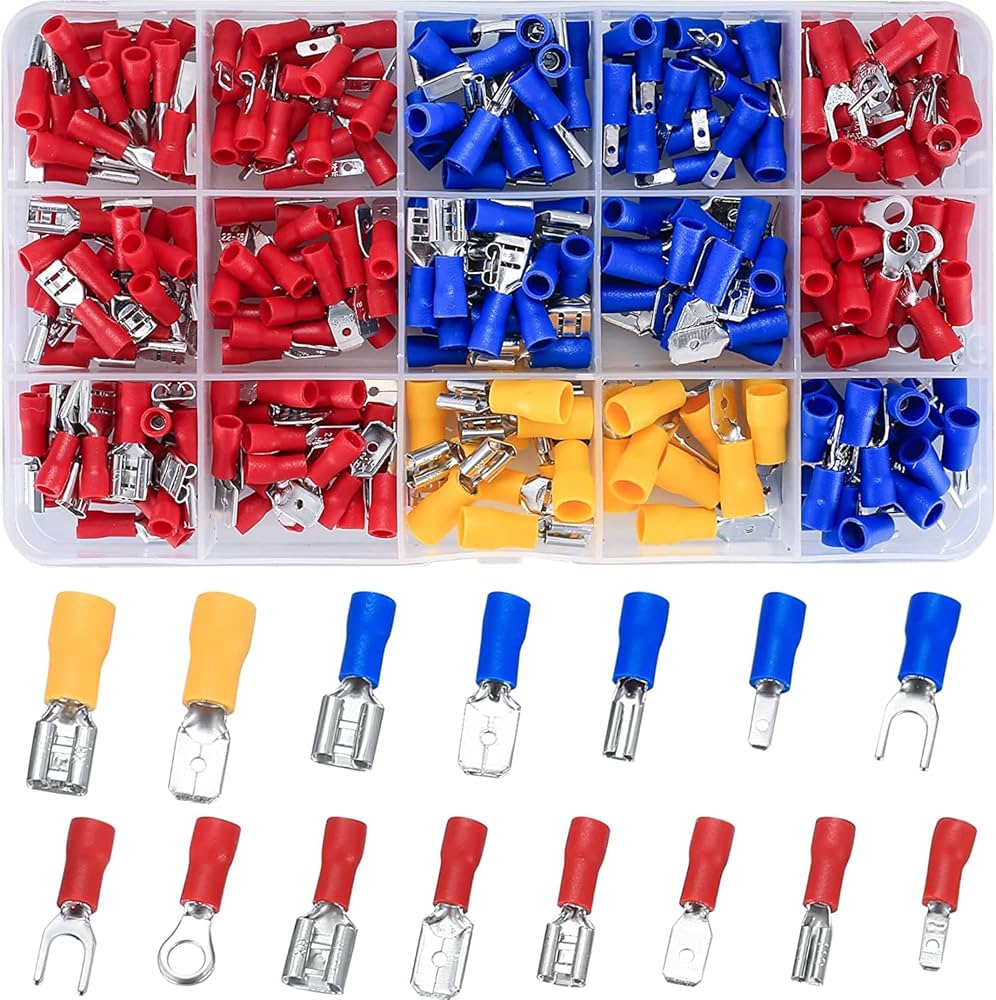
A very secure and professional method, especially common in automotive, low-voltage, and appliance wiring.
How They Work: A metal tube is placed over the stripped ends of the wires. A special crimping tool is used to compress the metal tube, creating a cold weld between the wires and the connector. They are often insulated with a plastic sleeve.
Best For: Stranded wires, automotive applications, DC power, and situations with vibration.
Pros: Extremely strong and reliable connection, vibration-resistant, good for tight spaces.
Cons: Requires a specific crimping tool; a poor crimp (e.g., using pliers) can lead to failure.
Types:
Butt Splice: For connecting two wires end-to-end.
Ring or Spade Terminal: For connecting a wire to a screw terminal.
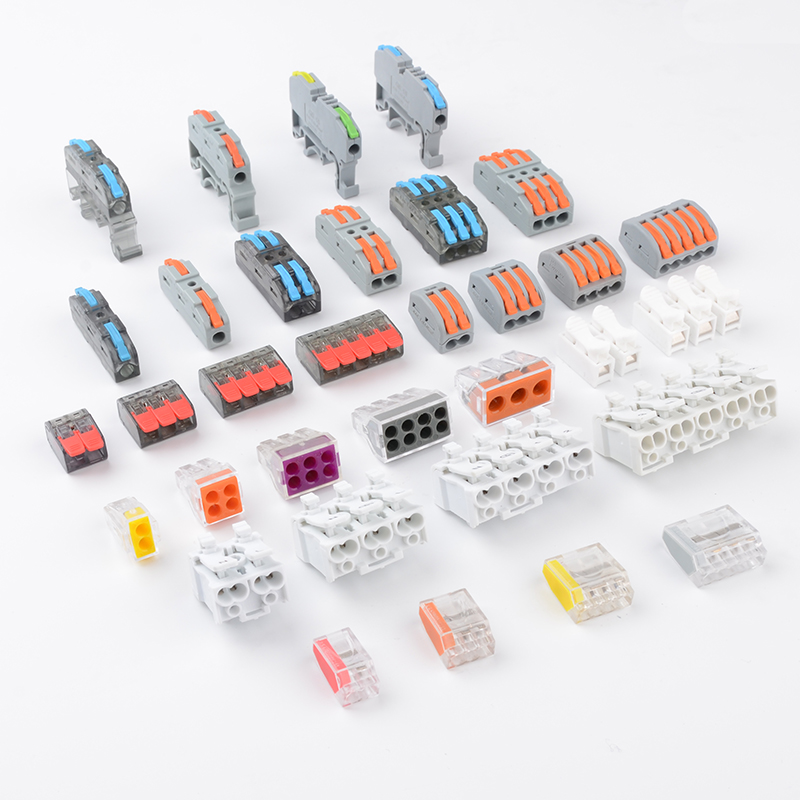
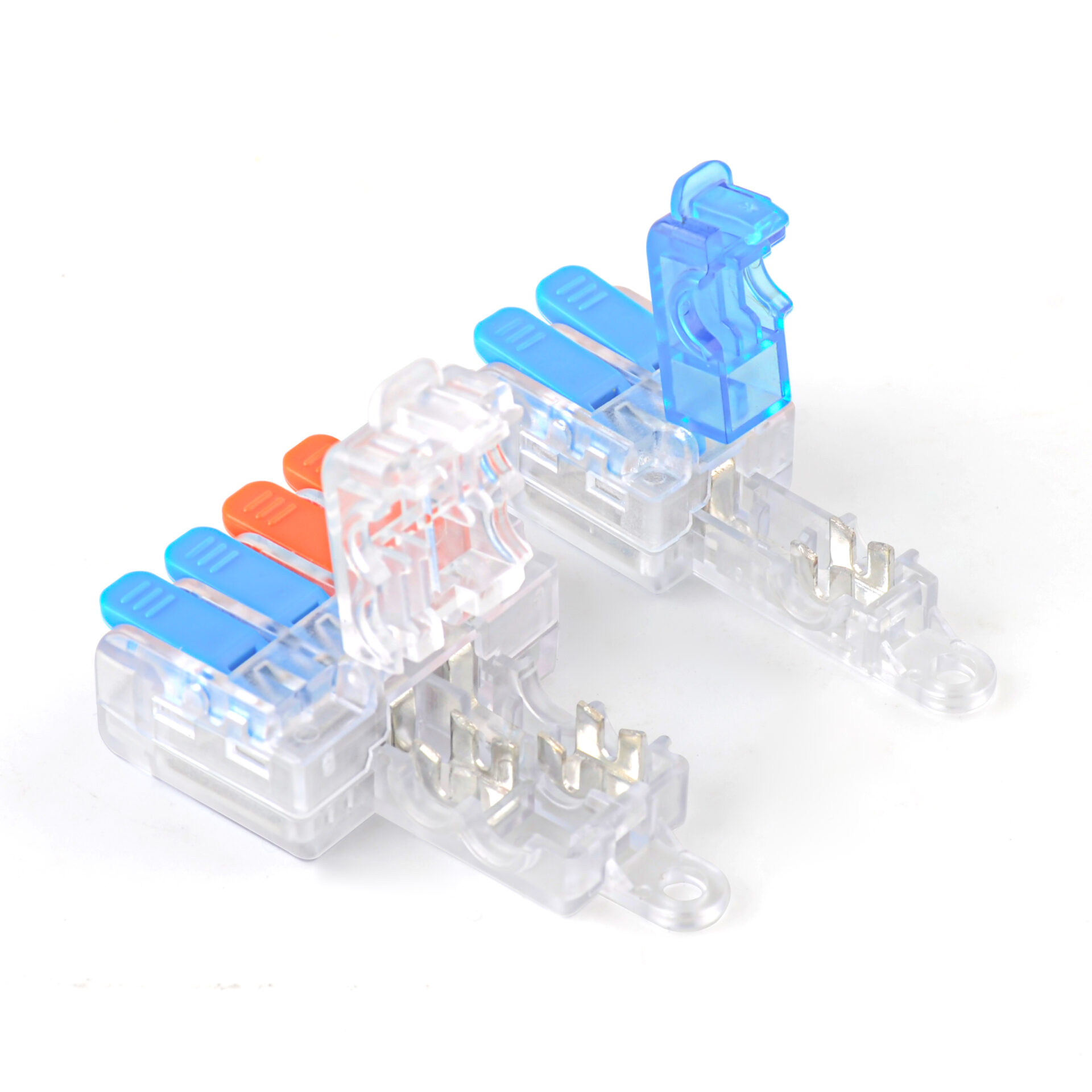
A modern, tool-less connector that has become very popular.
How They Work: You simply push the stripped wire into a spring-loaded hole. A internal clamp grabs the wire and holds it securely. To release, you pull the wire while twisting or use a release lever on some models.
Best For: Solid and fine-stranded wires, making connections in crowded boxes, and for anyone who wants a fast, reliable connection.
Pros: Extremely fast and easy to install and remove, reusable, excellent connection that doesn’t loosen.
Cons: More expensive than wire nuts, bulkier.
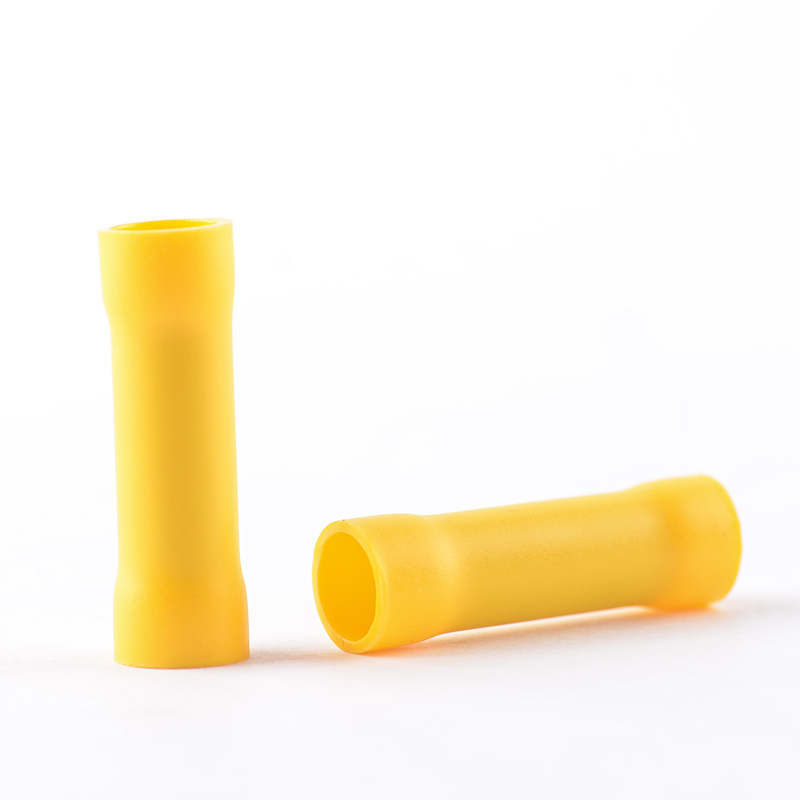
The gold standard for durable, waterproof, and professional splices.
How They Work: This is a crimp connector with a tube of adhesive-lined heat-shrink tubing over it. After crimping, you apply heat (with a heat gun), which causes the tubing to shrink tightly and the internal adhesive to melt and seal the connection.
Best For: Automotive, marine, outdoor, and underground applications where moisture, corrosion, and environmental protection are critical.
Pros: Creates a completely sealed, waterproof, and corrosion-resistant splice that is also mechanically robust.
Cons: Requires both a crimping tool and a heat gun.
A quick way to tap into an existing wire without cutting it.
How They Work: A sharp metal tooth inside the connector pierces the insulation of the “main” wire when crimped, making contact with the conductor. A second “tap” wire is inserted and crimped into the other side.
Best For: Quickly adding accessories (like lights or radios) to an existing wire, commonly in automotive 12V systems.
Pros: Very fast and requires no stripping of the main wire.
Cons: Controversial because the piercing tooth can damage the main wire and create a point of failure or corrosion. Not recommended for critical or high-current applications.
| Connector Type | Tool Required | Best For | Key Advantage | Key Disadvantage |
| Wire Nut | Hands | Solid wire in junction boxes | Low cost, easy | Can loosen; not for vibration |
| Crimp Connector | Crimping Tool | Stranded wire, automotive | Very strong, vibration-proof | Requires specific tool |
| Push-In | None | Solid/fine-stranded wire | Fast, reusable, reliable | Higher cost per connector |
| Heat Shrink Butt | Crimper + Heat Gun | Harsh environments (auto, marine) | Waterproof, sealed, strong | Requires two tools |
| T-Tap | Crimping Tool | Quick automotive taps | No cutting main wire | Can damage wire; unreliable |
Power Off: ALWAYS turn off the power at the circuit breaker and verify it’s off with a voltage tester before working on any wiring.
Match the Connector to the Wire:
Size (Gauge): Ensure the connector is rated for the wire gauge(s) you are using.
Material: Use copper-rated connectors for copper wire. Never use connectors for aluminum wire with copper wire unless specifically rated for both (and use anti-oxidant compound for aluminum).
Solid vs. Stranded: Some connectors are better for one or the other. Check the manufacturer’s specifications.
Use the Right Tool: Never use pliers to crimp a connector meant for a crimping tool. Never use a lighter for heat shrink; use a heat gun to avoid burns and fires.
Prepare the Wire: Strip the correct amount of insulation. Too little exposes bare wire; too much can leave a gap inside the connector.
Protect the Splice: Always ensure the connection is fully insulated and, if outside a junction box, is also in a weatherproof enclosure. Never leave a splice exposed.
Follow the Code: For house wiring, all splices must be contained inside an approved electrical junction box with a cover plate.
By choosing the right connector for the job and following these safety steps, you can create safe and reliable electrical connections that will last for years.
Submit technical specifications to receive professional drawings and finalized quotes within 24 hours.


Online Store

