
In the rapidly evolving world of the Internet of Things (IoT), the mantra “smaller is better” has never been more relevant. As we move through 2026, the demand for smarter, sleeker, and more powerful devices is pushing hardware boundaries. At the heart of this revolution lies a critical but often overlooked component: the miniature connector.
1. The Shrinking Footprint of Innovation
From wearable health monitors to industrial sensors embedded in factory turbines, the physical space available for electronics is dwindling. Engineers are no longer just designing circuits; they are fighting for every square millimeter.
Miniaturized connectors, such as CMK’s latest compact splicing series, allow developers to:
- Reduce Device Profile: Enable slim designs in consumer electronics and smart home gadgets.
- Increase Component Density: Fit more sensors and processing power onto a single PCB.
- Enhance Portability: Crucial for the next generation of GPS trackers and portable medical diagnostic tools.
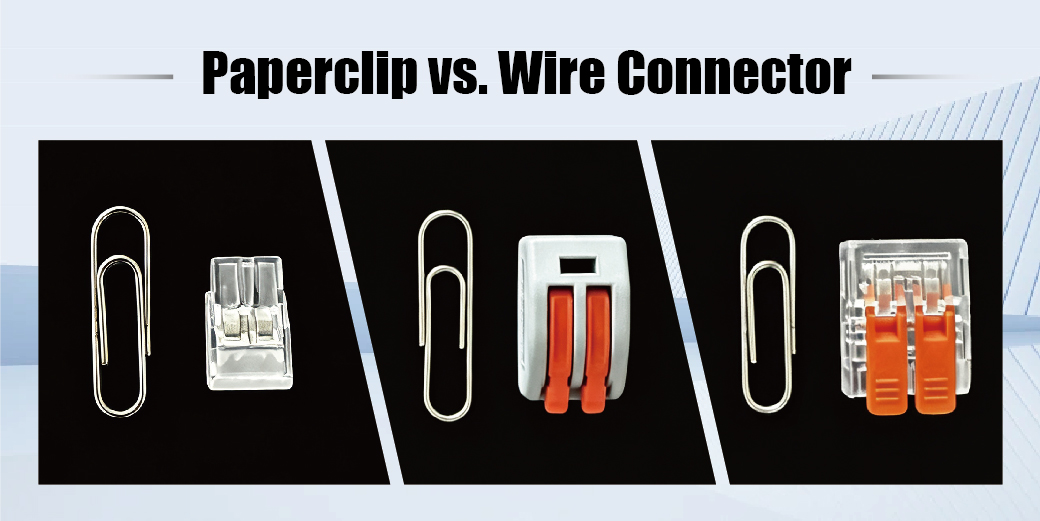
2. Overcoming the "Small" Challenges: Precision & Power
Miniaturization isn’t just about shrinking a plastic housing. As connectors get smaller, the physics of electrical contact become more complex.
- Heat Management: Smaller contact points must handle relatively high currents without overheating. Our compact series utilizes advanced thinned copper alloys to maintain high conductivity in a fraction of the space.
- Mechanical Integrity: In IoT applications like drones or automotive sensors, connectors face constant vibration. A miniature connector must provide a “locking” feel that guarantees a secure connection, even when it’s barely visible to the naked eye.
3. Enabling the "Edge": Industrial IoT (IIoT)
In the industrial sector, the transition to Edge Computing—where data is processed directly on the machine—requires a web of interconnected micro-sensors.
Traditional, bulky terminal blocks are no longer viable in these tight enclosures. Modern, tool-free lever connectors allow for rapid deployment in “blind” or cramped spaces, significantly reducing installation time for smart grid modules and automated assembly lines.
4. Sustainability Through Efficiency
Smaller connectors contribute to a greener IoT ecosystem.
- Material Savings: Less plastic and metal per unit reduces the carbon footprint of the manufacturing process.
- Reduced Electronic Waste: High-quality, reusable miniature connectors (like the CMK-412 series) ensure that devices can be repaired or upgraded rather than discarded.
5. Looking Ahead: What’s Next for 2026 and Beyond?
As we look toward the future, we anticipate the integration of smart connectors—miniaturized components with built-in status indicators or basic sensing capabilities.
At CMK Connector, we are committed to staying ahead of this curve. Our R&D is focused on creating the “invisible” infrastructure of the future: connectors that are smaller, faster to install, and robust enough to power the global IoT network.
Conclusion
The IoT revolution is being built on a micro-scale. By choosing the right miniaturized connection solutions, manufacturers can unlock new design possibilities, improve device reliability, and accelerate their time-to-market.
Explore our range of compact connection solutions for your next IoT project.

