
Start with the conductors in your bill of materials
Lever vs push-in wire connectors is a practical comparison when you are choosing a termination for repeat production. List the conductor construction and size for each port, including any wire variants your suppliers use. A lever opens the clamp for insertion or release. A direct push-in design accepts the conductor by insertion when the conductor and connector are compatible. In either case, use the manufacturer’s model-specific conductor and preparation requirements.
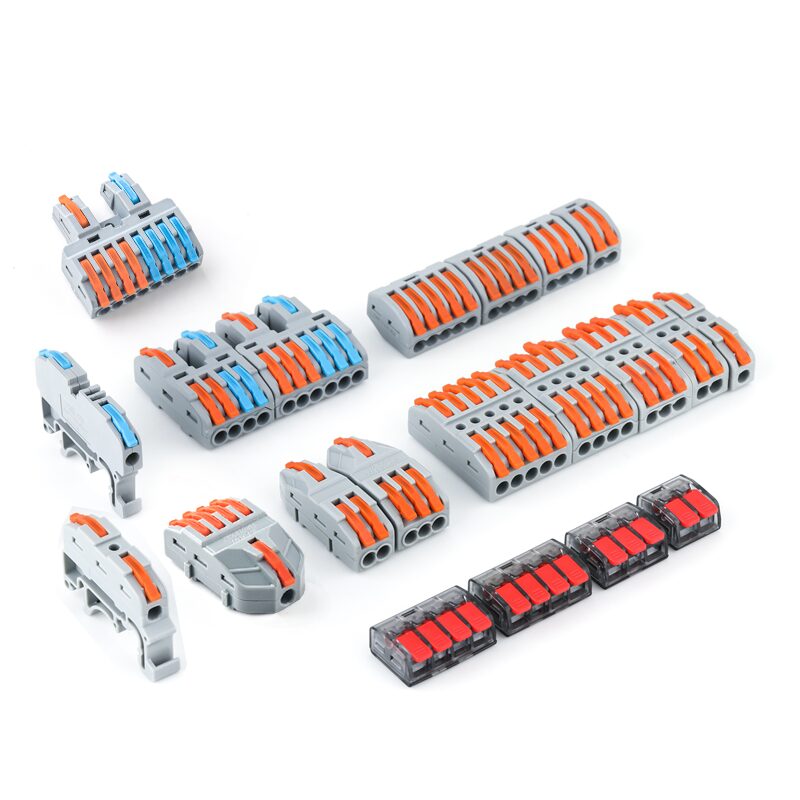
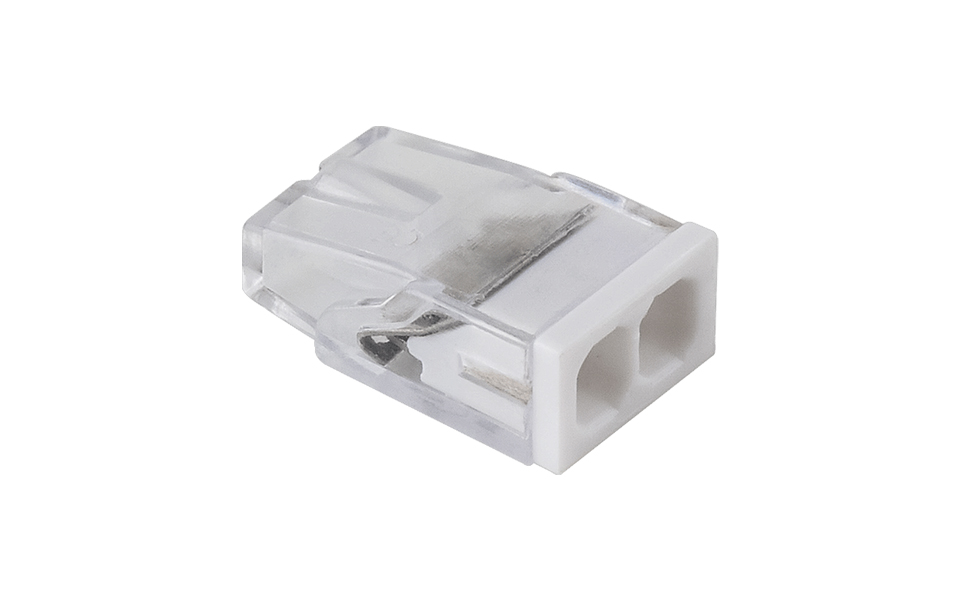
Compare assembly access and service access
Try both connector styles with your enclosure, wire routing and actual production harness. Check whether the operator can reach the lever with adjacent parts fitted, whether a conductor can approach a push-in port straight, and whether each termination can be inspected before the cover goes on. If the assembly will be serviced, test access to the release mechanism in the same configuration the service team will encounter.
Run a pilot build and compare cost per connection
Track average termination time, misinsertions, inspection time and rework across several operators. Record the connector part number and conductor used for each trial. Include material, labor and scrap in your comparison. A fitting that saves seconds during insertion may require more inspection time in a crowded enclosure. A pilot build gives you a basis for quoting labor and planning work instructions.
What to send for a sample request
Share your conductor construction, cross-section, number of positions, enclosure drawing, expected order quantities and whether the connection will be opened during production or service. Request the datasheet and samples of the exact part number for your trial.
Explore Quick Wire Connectors. Contact JINH to discuss your requirements.


