
Match the connector to the cable route
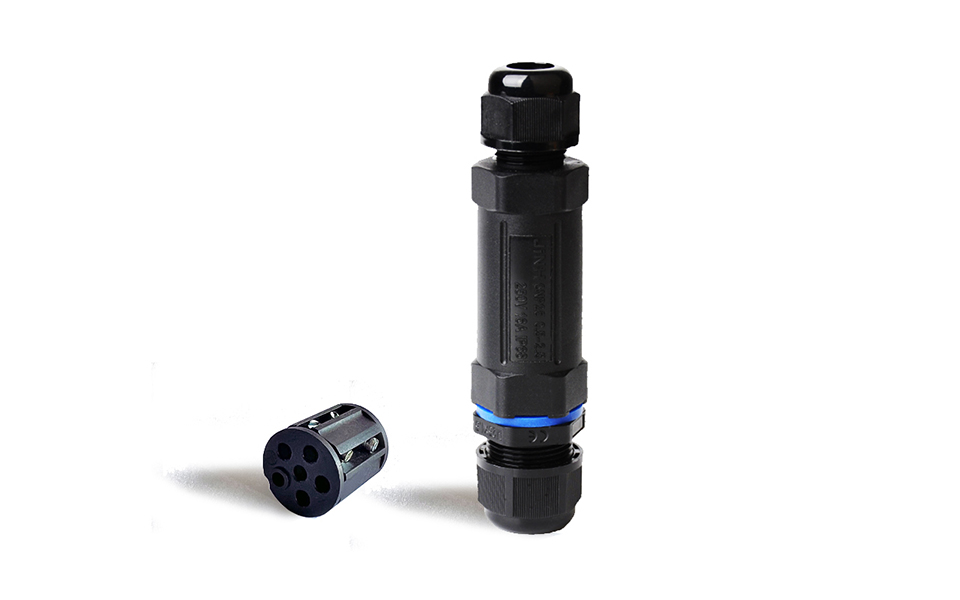
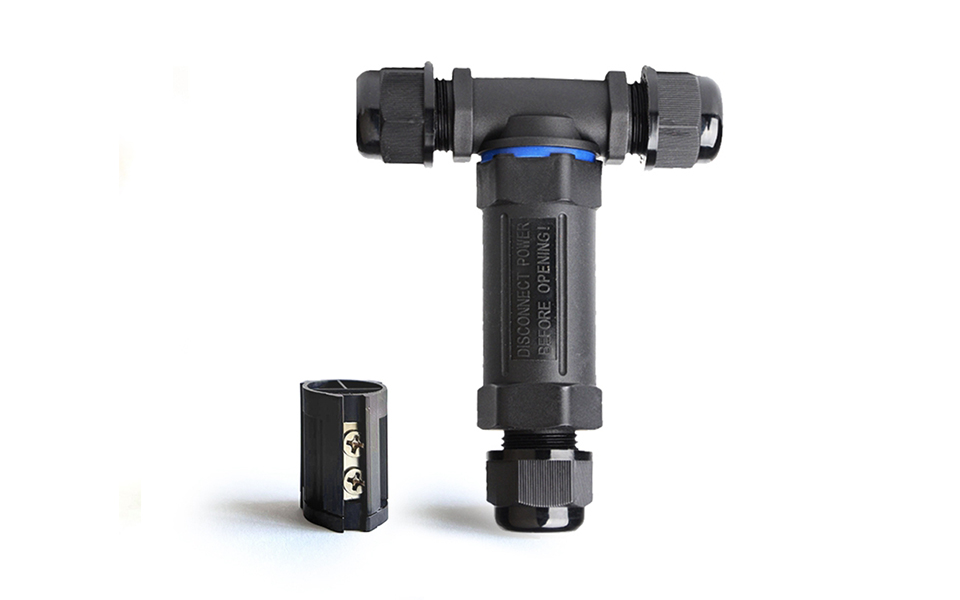
When comparing inline vs branch waterproof cable connectors, start with the cable layout. An inline connector is suited to joining two cable runs along a route. A branch arrangement provides an additional cable path from a junction point. Review the wiring diagram and model configuration to confirm which conductors share a circuit and which remain separate.
Check cable diameter at every entry
List the finished outer diameter of each cable jacket as well as the conductor cross-section. These measurements serve different purposes. Conductor size is used to check terminal compatibility, while jacket diameter is used to check the cable entry and seal. If your incoming and outgoing cables differ, confirm the range for each entry with the supplier.
Plan space for cable routing and access
Allow room around the connector for the cables to approach the entries and for the fitting to remain accessible. Compare the installed dimensions with the mounting location, including brackets and nearby equipment. For lighting or outdoor equipment, share the expected exposure and check the conditions associated with the exact model’s ingress protection rating.
Prepare a drawing for the quotation
Mark the number of cable runs, core count, outer diameters, circuit arrangement, operating requirements and mounting location. Ask for a dimensional drawing and model-specific documentation. A sample installed with your production cable can help you confirm fit and access before the order is released.
Explore Waterproof Junction Box. Contact JINH to discuss your requirements.


